Chesapeake Waterfront Homes Buyer’s Guide: Start Here
April 23, 2026
April 23, 2026
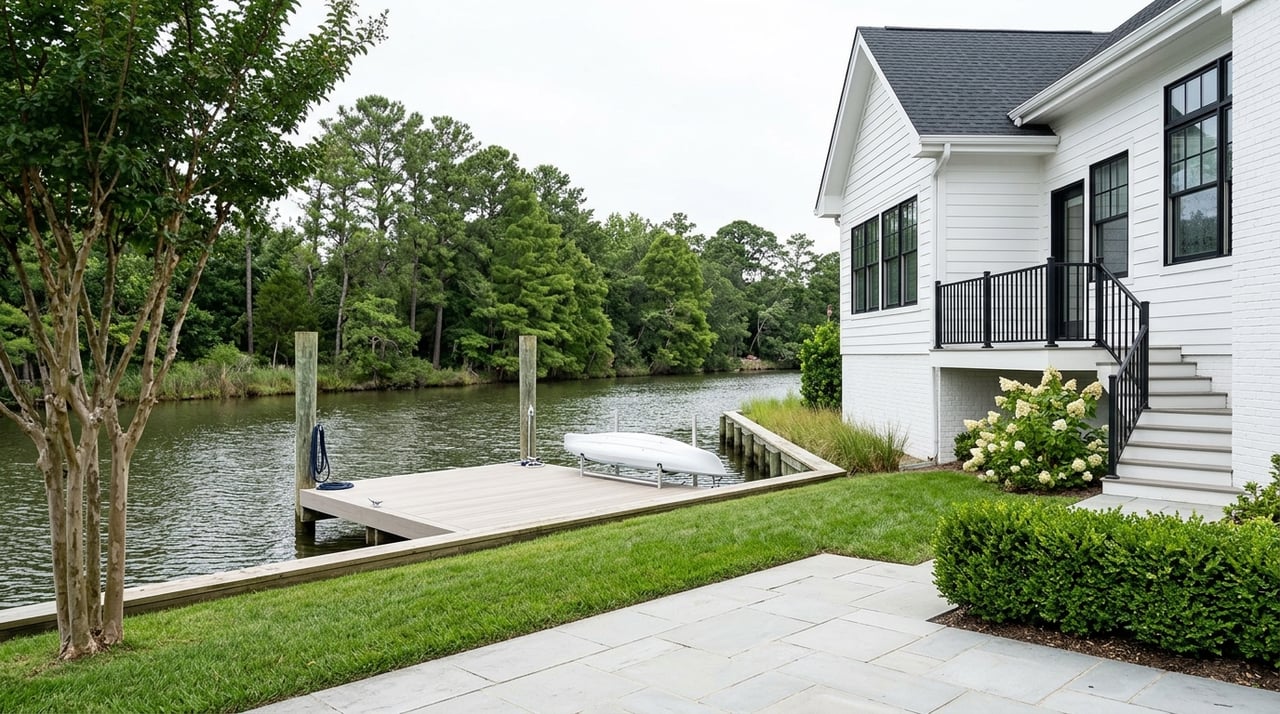
If a waterfront home in Chesapeake is on your radar, you already know the appeal goes beyond a pretty view. In this city, waterfront living can mean boating from your backyard, paddling nearby canals, casting a line after work, or simply enjoying quick access to parks and launch points. The key is knowing what kind of waterfront you are actually buying, what extra due diligence matters, and where the hidden details can affect your decision. Let’s dive in.
One of the most important things to understand is that Chesapeake does not offer one single waterfront experience. Unlike a market built around one continuous shoreline, Chesapeake's waterfront setting stretches across rivers, canals, and water-access corridors tied to the Elizabeth River, Indian River, Western Branch, and Northwest River areas. The city's planning areas and Trails and Connectivity Plan both show how water is woven throughout the city in different ways.
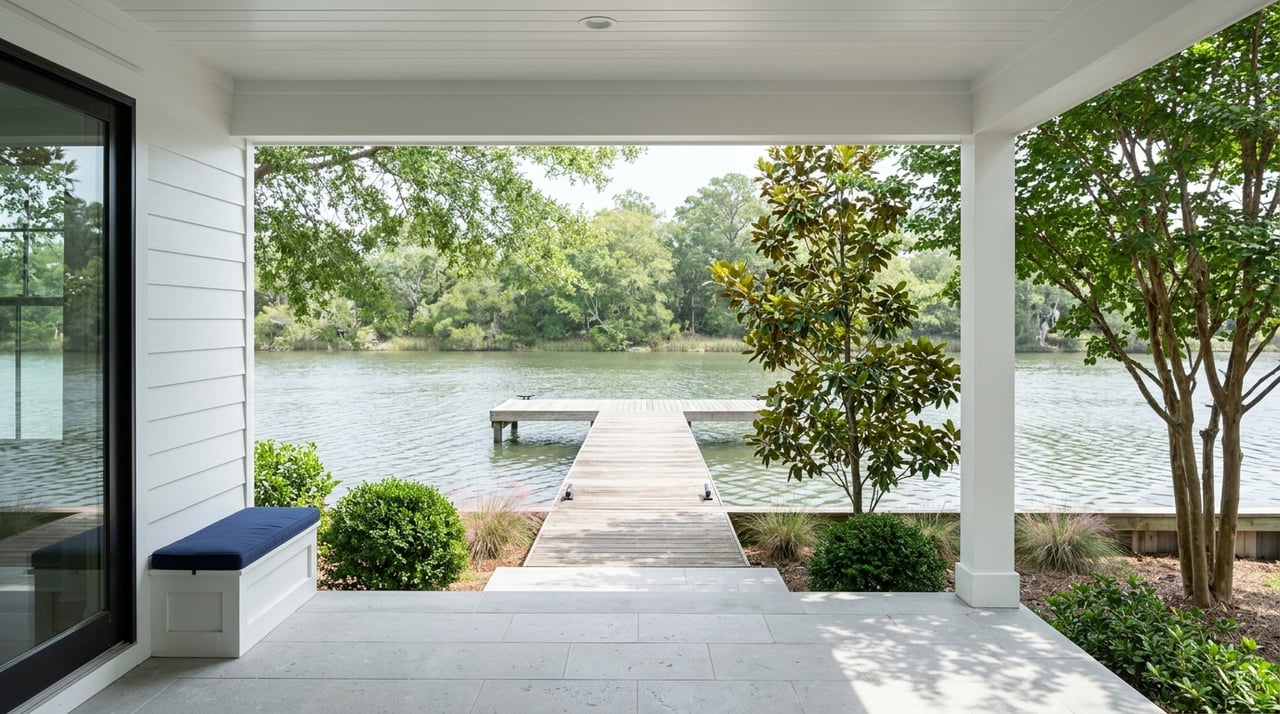
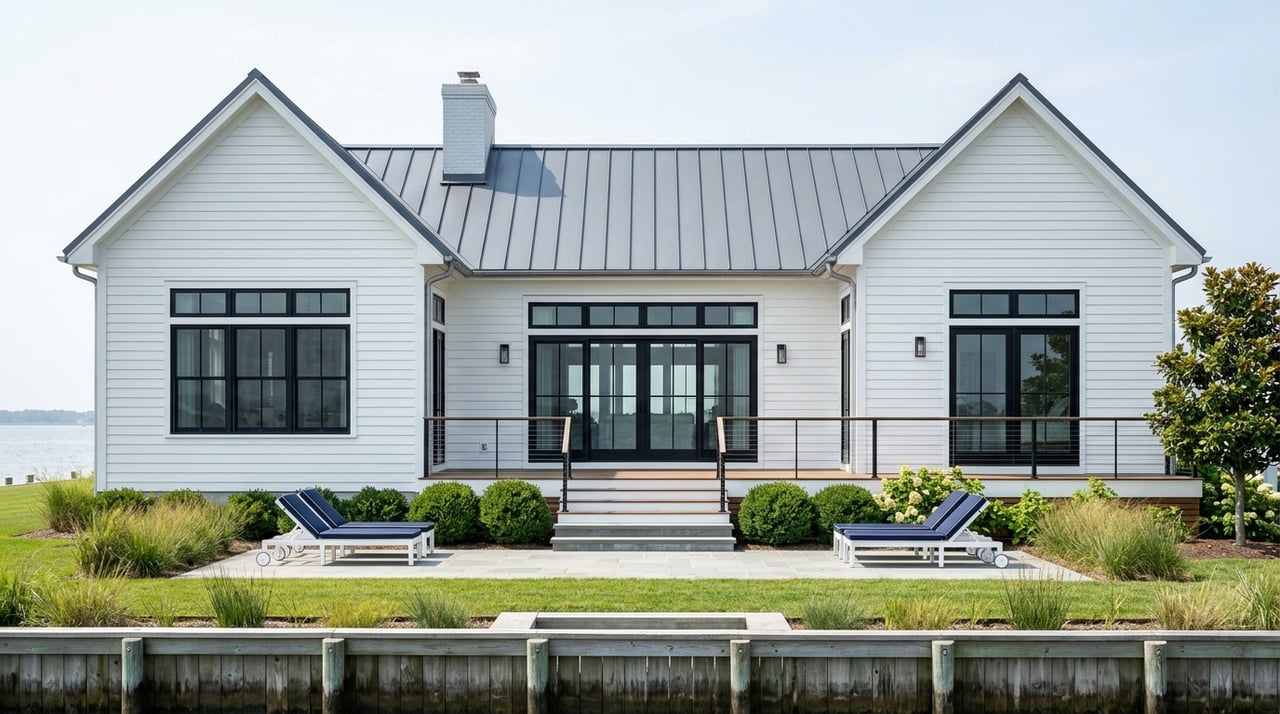
That matters because two homes labeled “waterfront” can offer very different lifestyles. One may sit directly on a river with a private dock, while another may back to a canal, overlook water without direct access, or sit close to a launch point or waterfront park. If you are comparing properties, start by asking exactly what kind of water access comes with the home.
Before you fall in love with a listing, get clear on the setting. A Chesapeake waterfront property might be:
That distinction affects not just your view, but also how you use the property. It can shape everything from dock potential to maintenance needs to your day-to-day lifestyle.
In Chesapeake, waterfront living is often about access and recreation as much as scenery. Official city materials highlight boating, fishing, paddling, and trail connections as a big part of the local waterfront experience. That makes it helpful to think beyond the lot lines and consider how you want to spend your time.
For example, Elizabeth River Park offers a boat ramp, boat-trailer parking, docking facilities, and fishing and crabbing access. The city also points to the Dismal Swamp Canal as a recreational paddling route, and Newton Neck Park adds another layer of shoreline-focused outdoor use.
If you are shopping for waterfront, ask yourself what you want most:
This can help you narrow your search much faster. A home that looks ideal online may not fit your real goals once you understand how the water is actually used in that location.
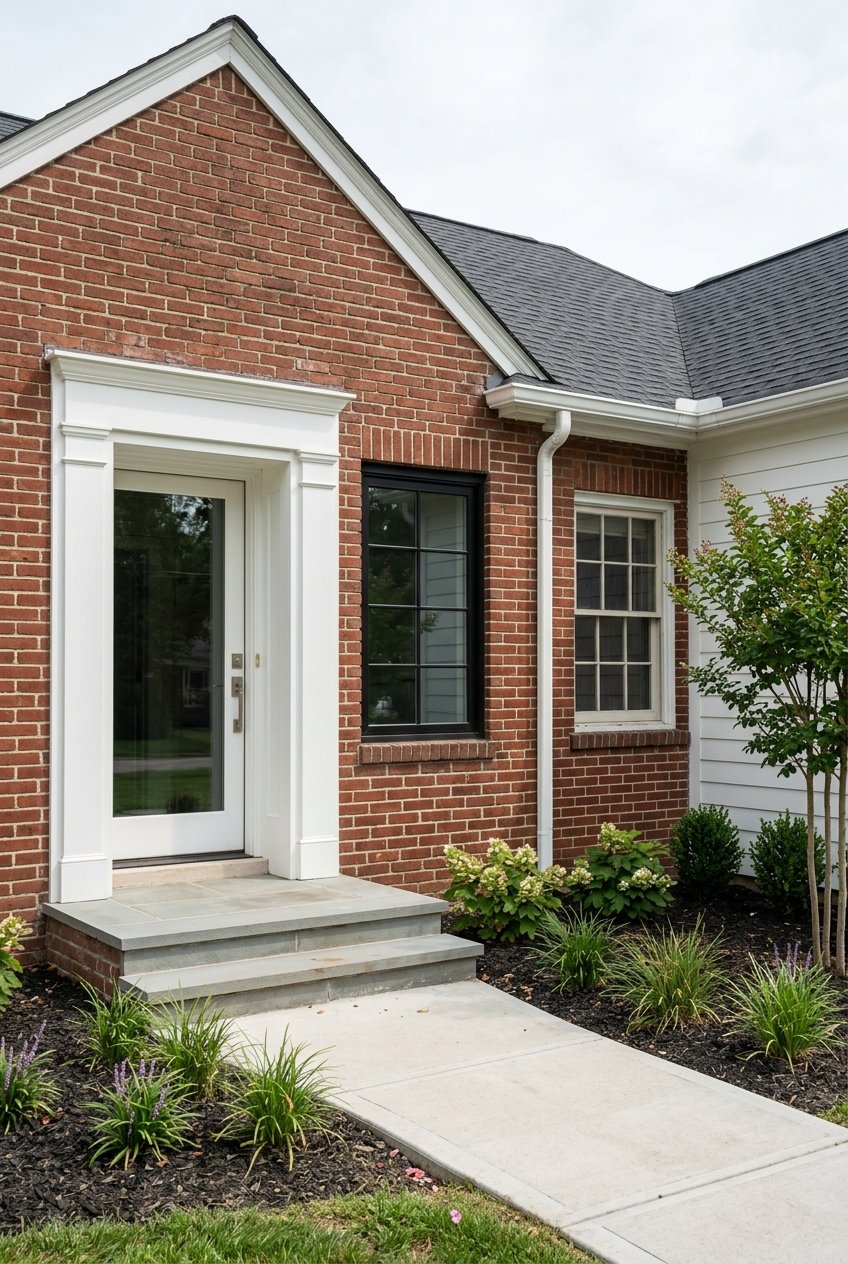
Another thing buyers often overlook is how much home style can vary from one part of Chesapeake to another. According to the city's planning area descriptions, the housing stock ranges from older, smaller homes in some established areas to suburban single-family neighborhoods, newer mixed housing, and larger rural properties in southern parts of the city.
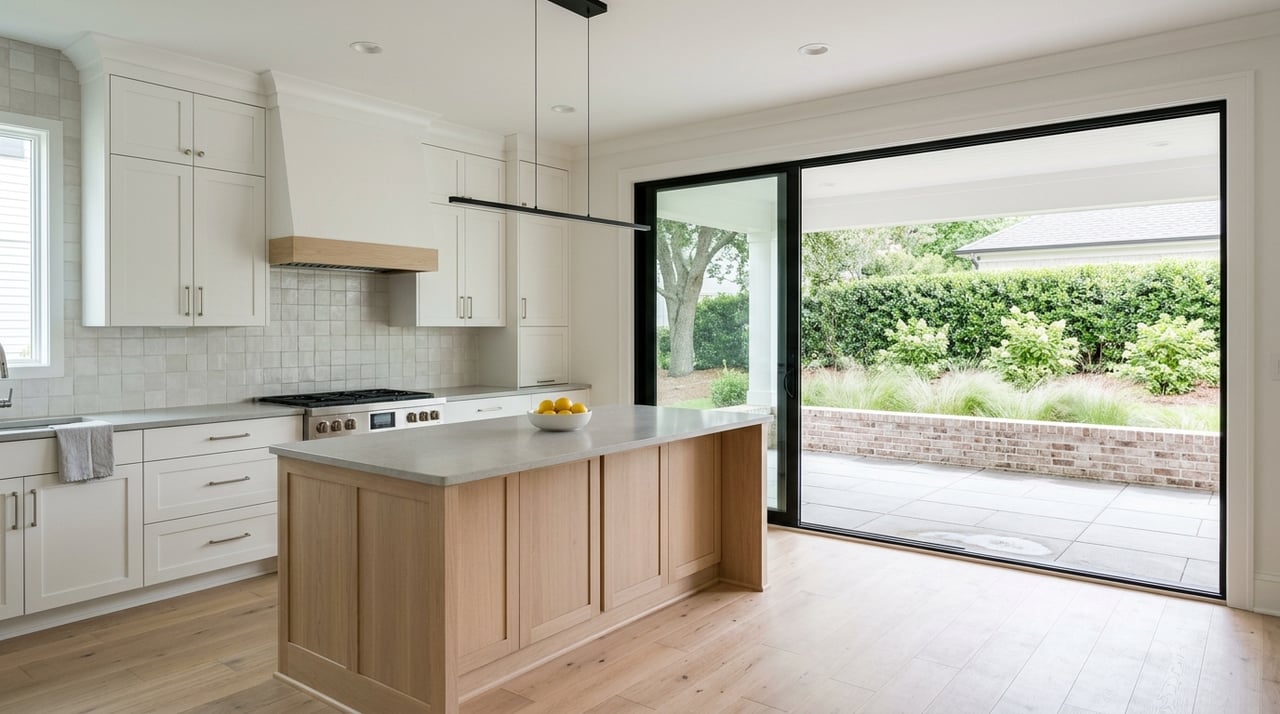
For waterfront buyers, that means you should expect a broad mix of lot sizes, ages, layouts, and surroundings. Some homes may offer established character on smaller parcels, while others may have more land, newer construction, or a more tucked-away setting near open space and waterways. Chesapeake waterfront is not one uniform product, so your search needs to stay specific.
A dock or bulkhead can add major value to a waterfront property, but it also adds another layer of due diligence. In Chesapeake, shoreline-related features are not just visual extras. They may involve permitting, repair needs, and future approval requirements.
The city's residential alterations fee information specifically references private piers, bulkheads, walls, and fences. Virginia law also allows private noncommercial piers on riparian land only when they do not obstruct navigation and go through the proper review process.
If a home has a dock, boathouse, pier, or bulkhead, ask for as much documentation as possible. Key questions include:
These answers can affect both cost and convenience after closing. A waterfront home may feel turnkey until you realize a repair project involves more time, paperwork, and money than expected.
Some waterfront properties in Chesapeake may fall within the protected 100-foot Chesapeake Bay Preservation Area buffer. According to the city's CBPA information, projects in that area can require a permit, and exceptions or appeals may involve the CBPA board.
For buyers, this is important because future plans may not be as simple as they seem. A dock repair, shoreline stabilization project, grading change, or home addition could require more than a routine permit. If you know you want to make changes, it is smart to investigate those rules before you buy.
Waterfront lots often come with details that are easy to miss during a showing. One of the biggest is easements. Chesapeake advises buyers to check for easements before purchasing because they can affect rights and access on the property.
On a waterfront parcel, easements might relate to utilities, drainage, shared access paths, or other legal uses that influence how you enjoy the lot. This is one of those issues that may not feel urgent when you are focused on views and layout, but it can have a real impact on your long-term plans.
If you are buying near the water, flood review should move to the top of your checklist. Chesapeake's Floodplain Management page directs buyers to review local flood mapping and FEMA resources early in the process. The city also notes that construction in special flood hazard areas must comply with local floodplain rules.
Flood insurance is also worth discussing right away. FEMA explains that flood insurance is separate from homeowners insurance, may be required for homes in high-risk flood areas with government-backed mortgages, and often has a 30-day waiting period before coverage begins. That timeline alone is a good reason not to leave flood questions until the last minute.
When you are evaluating a Chesapeake waterfront home, ask:
Chesapeake notes that elevation certificates are required during construction in flood zones and may be requested later. If one exists, it can be a very useful document during your review.
A standard home inspection is still essential. The Consumer Financial Protection Bureau recommends scheduling an independent inspection as soon as possible so you have time to negotiate repairs or make decisions if serious issues come up.
With waterfront property, though, your due diligence may need to go a step further. Depending on the home, there may be additional systems or structures that deserve separate inspection.
If the property uses a private well or onsite sewage system, order those inspections early. The Virginia Department of Health says prospective buyers should test private well water and recommends onsite sewage inspections as soon as possible because problems can delay closing.
If the home includes docks, boathouses, bulkheads, or other shoreline improvements, a marine surveyor may also be a wise add-on. NAMSGlobal describes marine surveyors as professionals who inspect and advise on marine-related assets, which can help you better understand the condition and maintenance demands of water-facing structures.
When you are buying a waterfront home in Chesapeake, excitement is normal. So is uncertainty. The smartest approach is to pair the lifestyle dream with disciplined questions about access, permitting, flood risk, easements, and inspections.
That kind of process is especially important if you are relocating, buying remotely, or trying to compare very different properties across Chesapeake. The right home is not just the one with the best photo. It is the one that fits how you want to live and holds up under careful review.
If you want a clear, step-by-step plan for buying a waterfront home in Chesapeake, Jean Johnson can help you sort through the details, narrow your options, and move forward with confidence.
Stay up to date on the latest real estate trends.


Jean prides herself on professionalism, attention to detail, customer service and enthusiasm. These principles have earned her high praise from clients and enabled her to build her business through many referrals from satisfied clients.