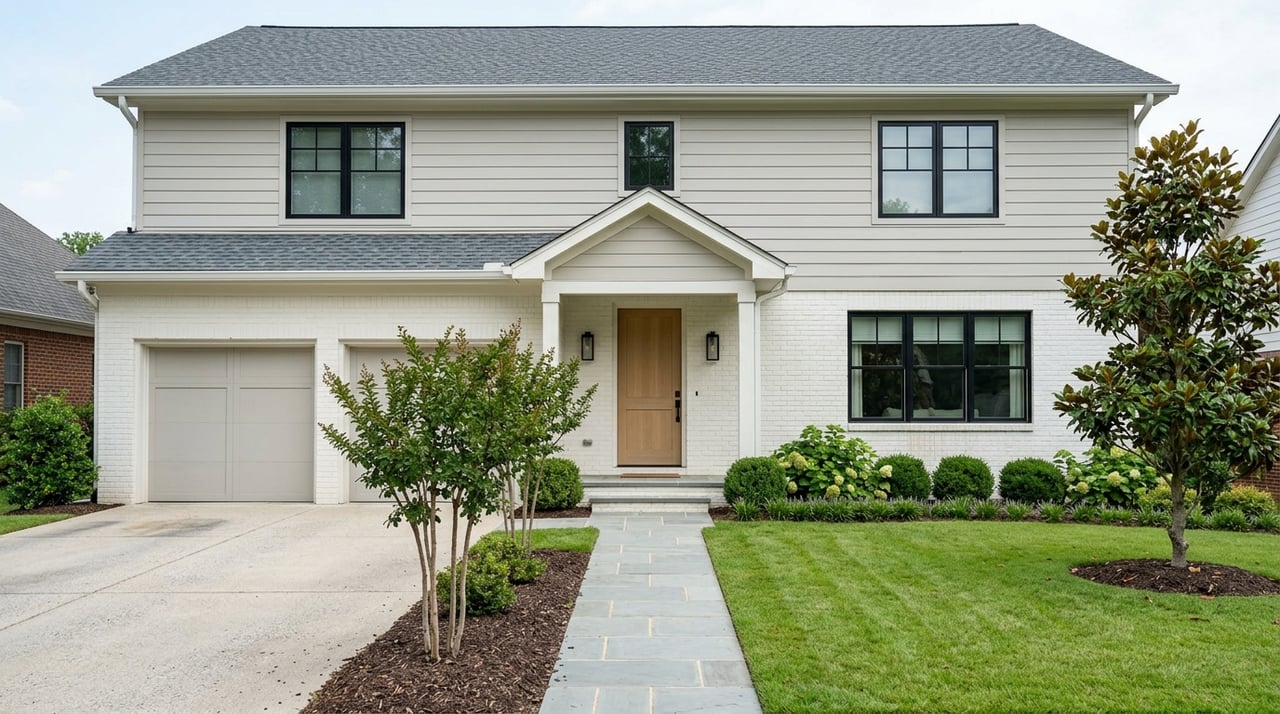
Prepare Your Chesapeake Home for a Top-Dollar Sale
April 2, 2026
April 2, 2026
Wondering whether a few smart updates can really change your sale price in Chesapeake? In a market where buyers are comparing condition, photos, and first impressions closely, the answer is yes. If you want to attract strong interest and avoid leaving money on the table, a disciplined prep plan can make a real difference. Let’s dive in.
Chesapeake is not a market that rewards a rushed launch. Recent housing data shows median prices in the city sitting around the $425,000 to $430,000 range, with homes taking anywhere from about 32 to 54 days to sell depending on the source and timeframe, which points to a market where presentation and timing matter more than simply getting listed fast. According to Redfin’s Chesapeake housing market data, buyers are active, but they are also selective.
That local picture fits the broader Hampton Roads trend. Virginia REALTORS® reported that regional demand continues to be supported by military employment, port activity, and coastal living, which helps explain why well-prepared homes continue to stand out. For you as a seller, that means the goal is not just to list your home. It is to launch it in its strongest possible light.
Before you think about major upgrades, focus on what buyers will notice right away. That includes cleanliness, layout, light, maintenance, and curb appeal. These details shape how buyers feel about your home before they ever start comparing square footage or finishes.
The good news is that top-dollar prep often has more to do with discipline than with a huge budget. In many cases, the most effective steps are also the most practical.
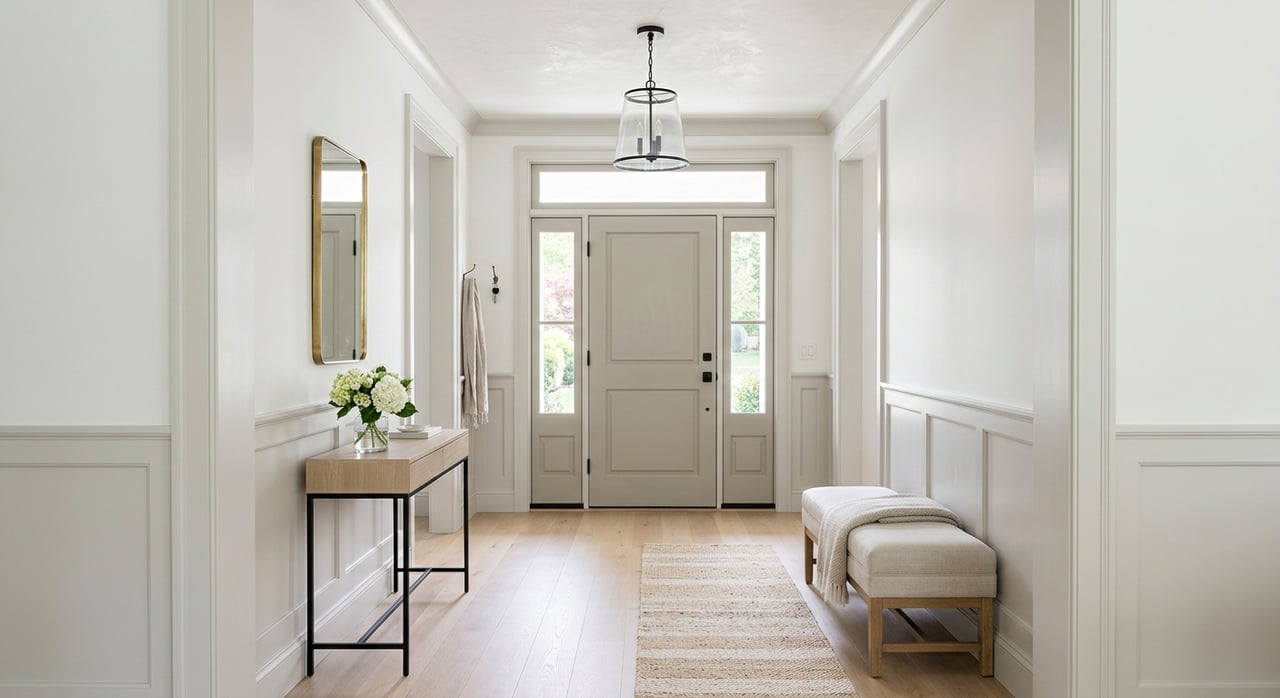
The National Association of REALTORS® says staging includes cleaning, decluttering, repairing, depersonalizing, and updating the home. In its 2025 staging survey, 83% of buyers’ agents said staging makes it easier for buyers to picture the property as their future home. That matters because buyers tend to respond best when spaces feel open, flexible, and easy to understand.
If your time is limited, prioritize the rooms with the biggest impact. NAR notes that bedrooms, living rooms, and bonus spaces deserve the most attention, especially when you want buyers to see function and flow clearly. In a Chesapeake home, that might mean simplifying furniture placement, clearing out closets, and making an extra room feel purposeful rather than crowded.
A spotless home usually does more for buyer confidence than new accessories ever will. Clean baseboards, floors, windows, counters, and bathrooms thoroughly, and pay attention to places you may overlook in daily life, like vents, door frames, and light switches.
Buyers notice signs of care quickly. A clean home suggests that the property has been maintained, and that can influence how they view the rest of the house.
One of the most common seller mistakes is jumping straight to a large renovation. In most cases, that is not the best first move. The 2025 NAR Remodeling Impact Report found that 46% of buyers are less willing to compromise on home condition, which means visible wear and tear should be your first priority.
That same report says the projects REALTORS® most often recommend before selling are painting the entire home, painting one room, and new roofing, while a new steel door showed 100% cost recovery. The takeaway is simple: fix what looks tired, worn, or neglected before spending heavily on a full redesign.
Walk through your home as if you were seeing it for the first time. Scuffed walls, chipped trim, loose handles, worn doors, cracked caulk, and stained grout can all make a home feel less move-in ready.
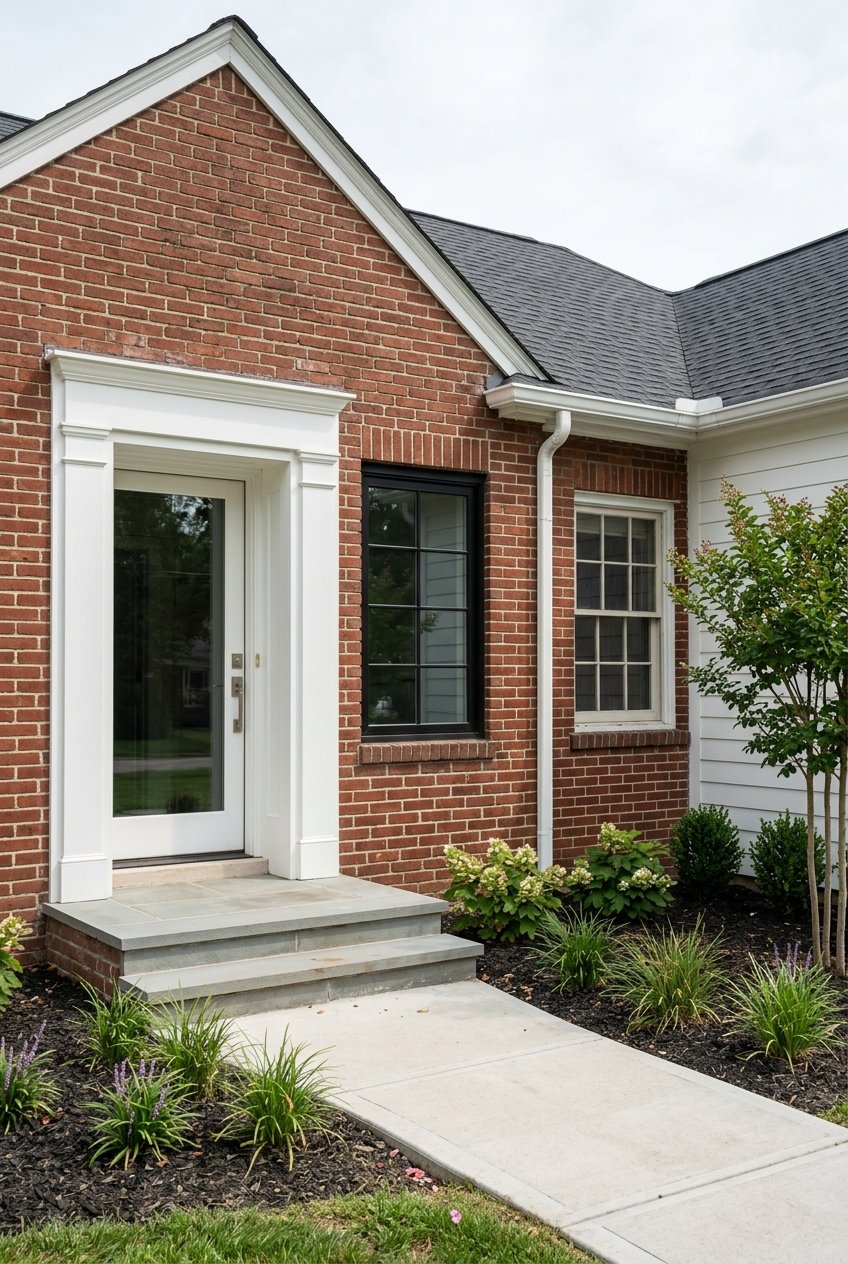
A fresh coat of neutral paint often gives you one of the clearest visual improvements for the money. If the front door, garage door, siding, or exterior paint already looks aged, those visible exterior elements may also deserve attention based on NAR’s remodeling guidance.
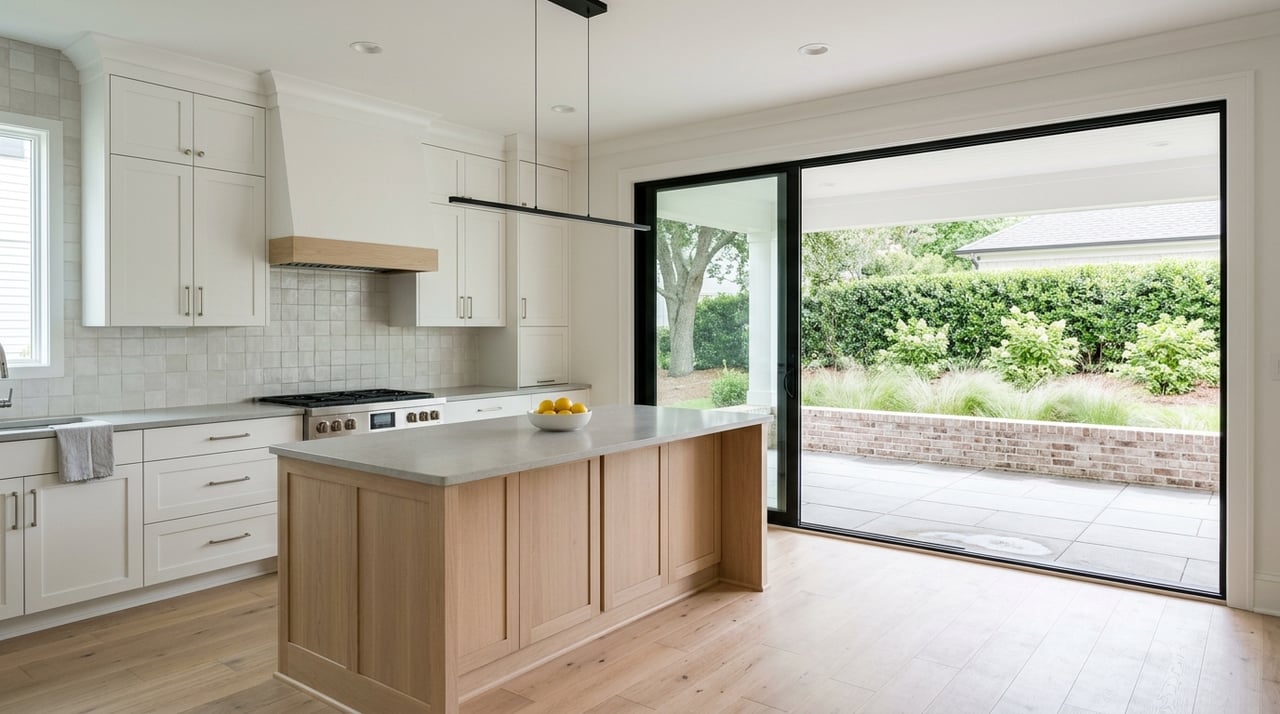
A full kitchen or bathroom gut job is not usually the first place to spend money before listing. If a space is functional and in reasonable condition, smaller fixes often make more sense than a major remodel.
The same goes for discretionary upgrades that may not match buyer priorities. If something is broken, unsafe, or severely outdated, address it. Otherwise, your return is often better when you improve presentation and condition instead of creating a long construction timeline.
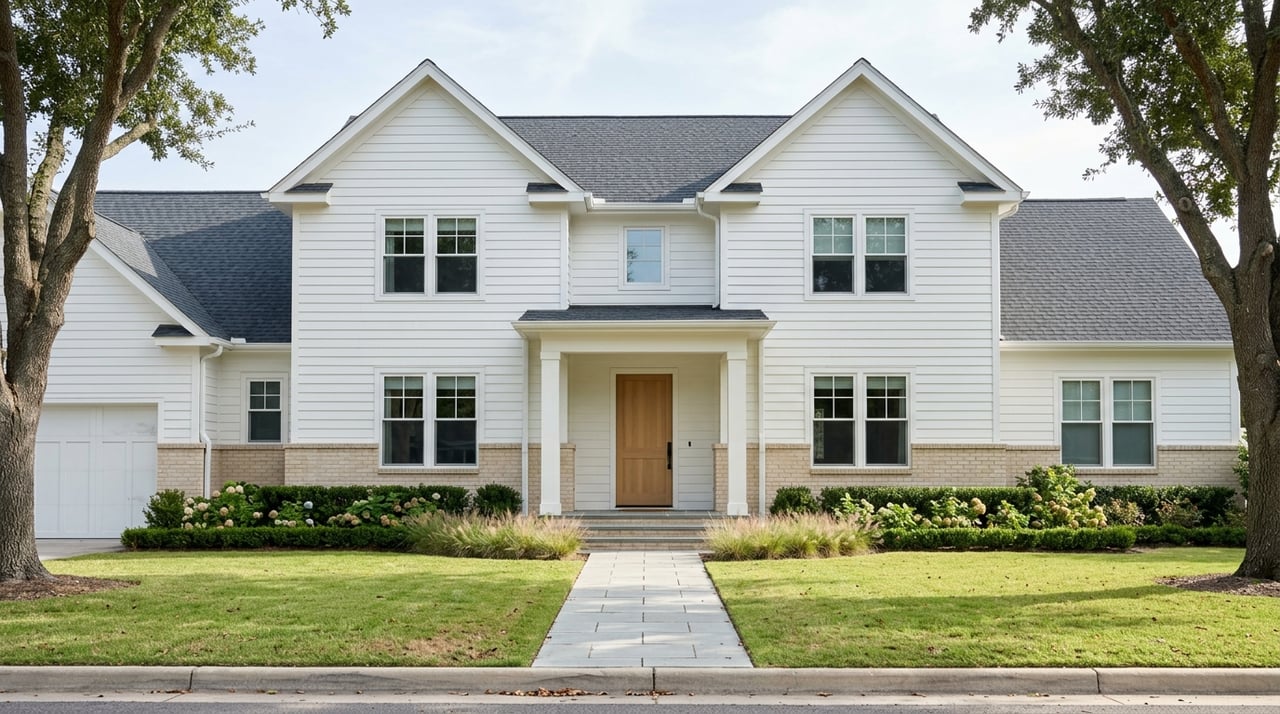
Your exterior sets the tone for every showing. Buyers start forming opinions before they walk through the front door, so the outside of your home deserves early attention in your prep plan.
According to NAR’s outdoor features report, 92% of REALTORS® recommend improving curb appeal before listing, and nearly all say it matters in attracting buyers. The same report found strong estimated cost recovery for standard lawn care service, landscape maintenance, and overall landscape upgrades, which makes basic exterior upkeep one of the smartest pre-listing investments.
For most Chesapeake sellers, these updates are worth considering first:
These are the kinds of updates that improve first impressions without turning into a major project.
Large outdoor additions are usually harder to justify if your only goal is resale. NAR’s outdoor report estimated only 56% cost recovery for both an in-ground pool and a fire feature, which suggests these are not the best pre-listing dollars for most sellers.
If you already have those features, present them well. But if you are debating whether to add them just to sell, the data points toward simpler improvements with broader appeal.
Many sellers know what they want to do but struggle with when to do it. A clear schedule helps you avoid rushed decisions and keeps the listing process manageable.
That matters even more because Realtor.com’s 2026 seasonality study identified the best week to list in the Virginia Beach-Chesapeake-Norfolk metro as starting April 19, 2026. The same report says 53% of sellers take one month or less to get their home ready, which supports a focused prep window.
This is your planning and decision stage. Use this time to:
This step matters because it helps you avoid over-improving while still addressing the issues buyers are likely to notice.
This is the execution phase. Aim to finish:
NAR’s staging guidance supports focusing your attention on the rooms that help buyers understand how the home lives day to day.
Now it is time for the final polish. Before photography, complete:
A Realtor.com photography guide also recommends opening curtains and blinds, making beds, tucking away pets, and clearing patio furniture before the shoot.
Photos often create the first showing. If your images feel dark, cluttered, or rushed, buyers may scroll past before they ever schedule a visit.
The same Realtor.com photography guidance recommends timing exterior photos based on the home’s orientation:
It also notes that golden hour can be especially helpful for exterior shots and outdoor spaces. For a Chesapeake seller, the best approach is often to finish photography before the spring listing window opens so your home can launch with polished images and less last-minute stress.
If you are trying to decide where your budget should go, keep your focus on changes that improve buyer perception quickly and clearly. Based on the available data, the most defensible pre-listing updates are usually:
These improvements line up with NAR’s staging, remodeling, and curb appeal findings. They support stronger photos, better showings, and a more move-in-ready impression.
Selling for top dollar is rarely about doing everything. It is about doing the right things in the right order. In Chesapeake, where buyers have options and condition matters, a calm, strategic prep plan can help your home stand out from day one.
If you want expert guidance on which updates are worth doing before you list, Jean Johnson can help you build a clear, market-smart prep plan with the kind of high-touch support that keeps your sale moving smoothly.
Stay up to date on the latest real estate trends.


Jean prides herself on professionalism, attention to detail, customer service and enthusiasm. These principles have earned her high praise from clients and enabled her to build her business through many referrals from satisfied clients.