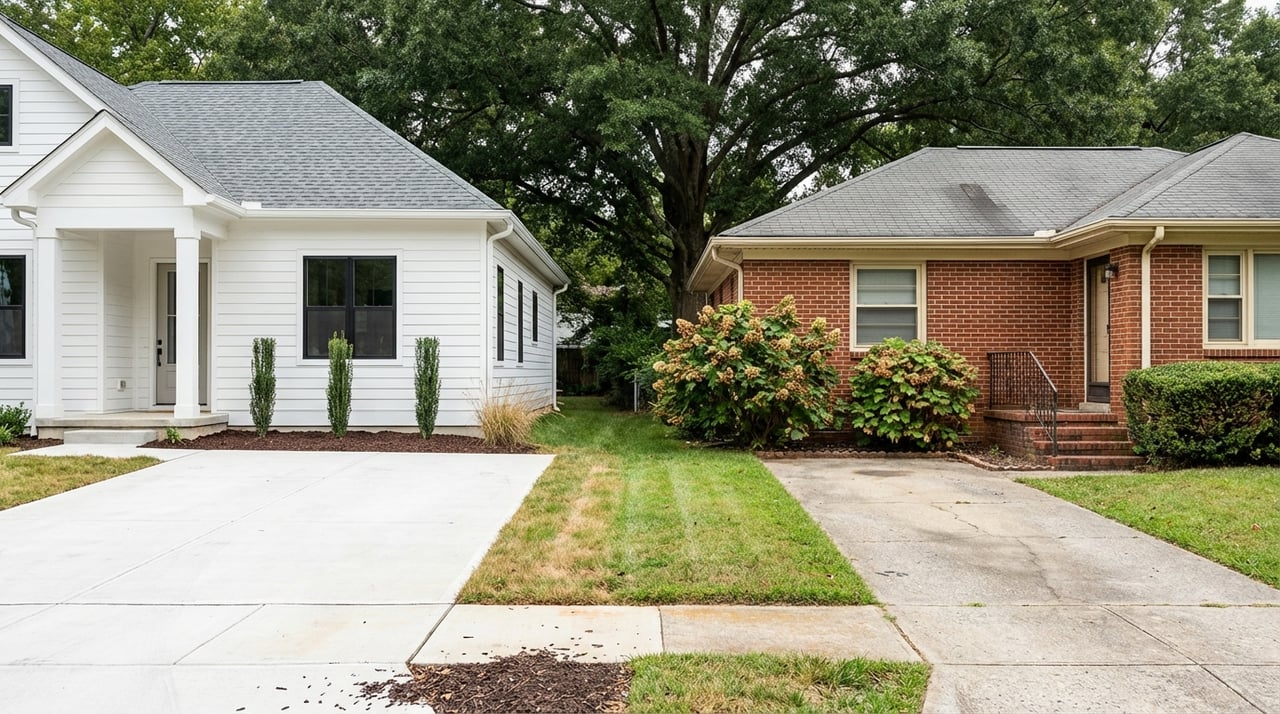
New Construction vs Resale Homes in Chesapeake, VA
February 19, 2026
February 19, 2026
Trying to decide between a brand-new build and a lived-in charmer in Chesapeake? You are not alone. With median home prices sitting in the low to mid $400s citywide and days on market higher than last year, it pays to choose the path that fits your timing, budget, and lifestyle. In this guide, you will see how new construction and resale homes compare on price, timelines, inspections, financing, and neighborhood options across Chesapeake. You will also get simple checklists and a few legal and contract tips specific to Virginia. Let’s dive in.
Chesapeake’s overall median sale price trends in the low to mid $400,000s, with many neighborhoods showing their own pace and price patterns. New construction typically carries a clear premium. Local reporting shows many new builds in Chesapeake averaging in the $600,000-plus range, which reflects lot premiums, modern layouts, and community amenities. That premium matters when you plan your budget and monthly payment.
If you want to see what current new-home neighborhoods look like on the ground, explore communities such as The Manor Homes at Jolliff Landing in Western Branch and Olahs Landing at Great Bridge. They are good examples of the modern floor plans, finishes, and amenities that drive the higher price point for new builds.
If you must move on a set date, resale often moves faster. Once under contract, many resale purchases close in roughly 30 to 60 days, depending on your loan, inspections, and title work. That makes resale a practical choice if you are relocating on a tight schedule.
For new construction, you have two timing paths. Quick move-in or spec homes can close in a few weeks to a couple of months, depending on completion and your financing. To-order builds usually take longer. Industry guidance and builder estimates put production builds at about 4 to 12 months from contract to completion. Weather, materials, and permitting can add time, so bake in cushion if your date is firm. For a helpful overview of the build process and typical timelines, see this new construction buyer guide.
Before you can move into a brand-new home, the City of Chesapeake must issue a Certificate of Occupancy. In limited cases a Temporary Certificate of Occupancy is possible when specific items remain, but city inspections and approvals are required. If you hope to move in near the finish date, review the city’s CO and TCO guidance and confirm in writing how your builder will handle any delays.
The big draw with a new build is choice. If you contract early, you can select finishes, layouts, and upgrades through the builder’s design process. Communities such as Olahs Landing at Great Bridge show the style and plan variety buyers want today. Keep in mind that upgrades and change orders add cost and can affect timing, so get a clear, written list of what is included versus optional.
Resale homes offer immediate occupancy and often a lower upfront price. You may need to budget for updates, but you can phase projects on your schedule. Inspection results sometimes open the door to seller credits or repairs, which can help you offset near-term costs.
Even with municipal inspections, hiring an independent inspector is smart. The common rhythm is threefold: a pre-slab when applicable, a pre-drywall inspection to see framing, plumbing, electrical and HVAC routing, then a full final inspection before closing. This phased approach helps you catch issues before walls close and document your punch list. Learn more about phase inspections from this new construction inspection overview.
Many builders use a staged warranty structure often described as 1-2-10: one year on workmanship, two years on major systems, and up to ten years on certain structural elements. These may be third-party and insurance-backed, which can add confidence if you are thinking about long-term coverage or future resale. Get clear on who administers the warranty, how to submit claims, and what is excluded. For context on typical coverage, see structural and builder warranty programs.
Do not skip the 11-month inspection. Scheduling this before your workmanship warranty expires lets you capture settling, finish, and system items while coverage is active.
For resale, arrange a full home inspection and targeted tests as appropriate, such as termite, septic or well, and radon depending on the home and location. Use your inspection contingency to negotiate repairs or credits where your contract allows.
New builds sometimes require a construction loan or a construction-to-permanent loan. These loans can mean draw schedules, inspections, and interest-only payments during the build. The Consumer Financial Protection Bureau’s construction loan explainer is a clear primer. FHA and VA also allow one-time-close construction options, but availability varies by lender, so confirm early that your lender regularly handles construction loans.
Appraising a new build can be more complex than a resale, especially early in a subdivision when comparable closed sales are limited. Lot premiums and upgrades may not always be fully reflected in the comps. Appraisers often pull from multiple approaches and may ask for builder specs and recent closings. Plan for an appraisal contingency or extra cash if needed. For more background, see this guide on appraising new construction.
Western Branch has seen a concentration of recent master-planned activity. The Manor Homes at Jolliff Landing offers modern floor plans and community amenities that appeal to many move-up buyers. Expect higher new-build pricing and HOA dues that support shared amenities. If you want similar square footage with a lower sticker price and can update over time, look at nearby resale options.
Great Bridge mixes established neighborhoods with new communities such as Olahs Landing. Resale homes here often sit on mature lots and can offer quicker closings. New builds provide contemporary layouts and efficient systems while keeping you close to established services.
These areas blend older neighborhoods with infill and edge-of-growth subdivisions. Resale homes typically deliver immediate occupancy and mature landscaping. New subdivisions trade lot maturity for fresh systems, energy efficiency, and modern plans. Your best fit comes down to whether you value now-versus-new, your renovation appetite, and your preferred monthly budget.
Virginia law provides implied warranties when a builder sells a new dwelling. In plain terms, the home must be free from structural defects, built in a workmanlike manner, and fit for habitation. These protections can transfer and are only waived under very specific, conspicuous terms. If you see waiver language, read it carefully and ask questions. You can review the statute in the Virginia Code Title 55.1.
Builder contracts often favor the builder. Pay special attention to deposits and escrow handling, delivery dates and delay remedies, change-order pricing, preferred lender or title incentives, dispute resolution, and warranty administration. Ask for written specifications for materials, brands, and allowances. If timing is critical, request clear milestones and remedies for delays. Many buyers also benefit from having an experienced agent and, when needed, legal counsel review the agreement.
Your builder must coordinate city inspections and secure a Certificate of Occupancy before you take possession. If move-in before final sign-off is essential, discuss the requirements for a Temporary Certificate of Occupancy and document who is responsible for any outstanding items. The city outlines both processes in its CO and TCO FAQ.
Use this quick framework to match your path to your priorities:
Choosing new versus resale comes down to your timeline, budget, and how much customization you want. Our team brings a disciplined, step-by-step process to help you compare options, line up financing, schedule inspections, and keep the contract milestones moving. If you are relocating or buying from out of market, we offer video walkthroughs and tech-enabled updates so you can make confident choices from anywhere.
Ready to compare real homes and numbers in Western Branch, Great Bridge, or beyond? Tell us what you value most, and we will build a clear plan around it. Start the conversation with Jean Johnson.
Stay up to date on the latest real estate trends.


Jean prides herself on professionalism, attention to detail, customer service and enthusiasm. These principles have earned her high praise from clients and enabled her to build her business through many referrals from satisfied clients.