Wondering if waiting until spring will net you more for your Norfolk home? You are not alone. Many homeowners weigh winter’s slower pace against the hope of busier spring buyers. Here is the good news: in Norfolk, winter can work in your favor if you approach it with the right strategy. In this guide, you will get the local context, clear pros and cons, a simple decision checklist, and practical staging and pricing tips to help you decide with confidence. Let’s dive in.
What winter looks like in Norfolk
Home sales across the country tend to slow in late fall and winter, while spring often brings more listings and more buyer activity. That seasonal pattern exists here too, but Norfolk’s climate and economy soften the extremes. Winters are relatively mild, so curb appeal and showings are less affected by snow compared with northern markets.
Norfolk also benefits from steady, year-round demand. Major employers and ongoing military relocations help keep qualified buyers moving even in December and January. Another local factor to keep in mind is coastal risk. Buyers often ask about flood zones and insurance in every season, so clear disclosures and mitigation documentation matter in winter as well. Finally, listing after hurricane season can reduce weather-related disruptions that sometimes complicate late summer and early fall listings.
Pros of listing this winter
- Lower listing competition. With fewer homes on the market, a well-prepared property can stand out and command attention.
- Motivated buyers. Winter shoppers often have firm timelines due to relocations or lease deadlines, which can shorten negotiations.
- Cleaner calendars. Title companies and lenders may process files faster in off-peak months, leading to smoother closings.
- Post-hurricane timing. Listing after November reduces storm-related uncertainty for showings and scheduling.
- Year-round demand pockets. Military PCS moves and other transfers help keep serious buyer activity flowing in Norfolk.
Cons to consider
- Lower overall foot traffic. There are usually fewer buyers touring, which can reduce bidding pressure.
- Seasonal curb appeal. Shorter days and dormant landscaping can make photos and exteriors feel flat without careful prep.
- Spring-focused shoppers. Some buyers wait for more spring options, which can narrow your winter audience.
- Financing timing. Holiday schedules or rate volatility can affect timelines, though most lenders operate year-round.
- Pricing sensitivity. Overpricing in winter often leads to longer days on market and price cuts later.
A simple decision checklist
Use this four-step framework to decide whether to list now or wait.
1) Your urgency and constraints
- You have a fixed move date, relocation orders, financial needs, or a clear buy opportunity.
- You can carry the home comfortably if you wait until spring and prefer a bigger buyer pool.
2) Your home’s winter readiness
- Condition is strong with minimal repairs needed and great natural light for photos.
- Exterior does not rely on lush landscaping to impress and can look crisp in winter.
- Features buyers value locally: efficient HVAC, flood mitigation, off-street parking, and water or lifestyle amenities.
3) Local market indicators
- Inventory, days on market, and recent pricing trends in your segment support a timely sale.
- If supply is high and demand is soft, waiting could make sense. If supply is tight, winter can be an advantage.
4) Pricing and negotiation plan
- You are prepared to price to the market and adjust based on early feedback.
- You are open to pre-inspections, pre-list repairs, flexible closing windows, or smart credits that attract buyers.
Norfolk scenarios to guide you
- List this winter: You need to move soon, your home is move-in ready, inventory in your micro-market is lean, and buyers for your location include relocations or cash purchasers.
- Consider waiting: You are not time-constrained, the home needs visible updates, and you prefer competing when spring buyers are more active.
- Flexible approach: Prep now, watch the next 4 to 6 weeks of local data with your agent, and be ready to launch if inventory tightens or buyer activity picks up.
Pricing and contract tactics
- Set a realistic list price. Winter buyers are decisive, but they know the comps. Pricing on target generates stronger early interest.
- Use a short review window. Aim to evaluate activity after 10 to 14 days and adjust if traffic is weak.
- Get pre-list inspections. A general inspection and targeted checks, like roof or pest, can reduce buyer contingencies and speed timelines.
- Lead with clear disclosures. Be upfront about flood zones, mitigation, and any recent storm repairs. Confidence leads to better offers.
- Offer smart incentives. Closing cost help, a rate buydown, a home warranty, or flexible possession terms can widen the buyer pool.
Stage and market for winter
Photos and visuals
- Schedule daytime, high-brightness photography and capture at least one exterior on a sunny day.
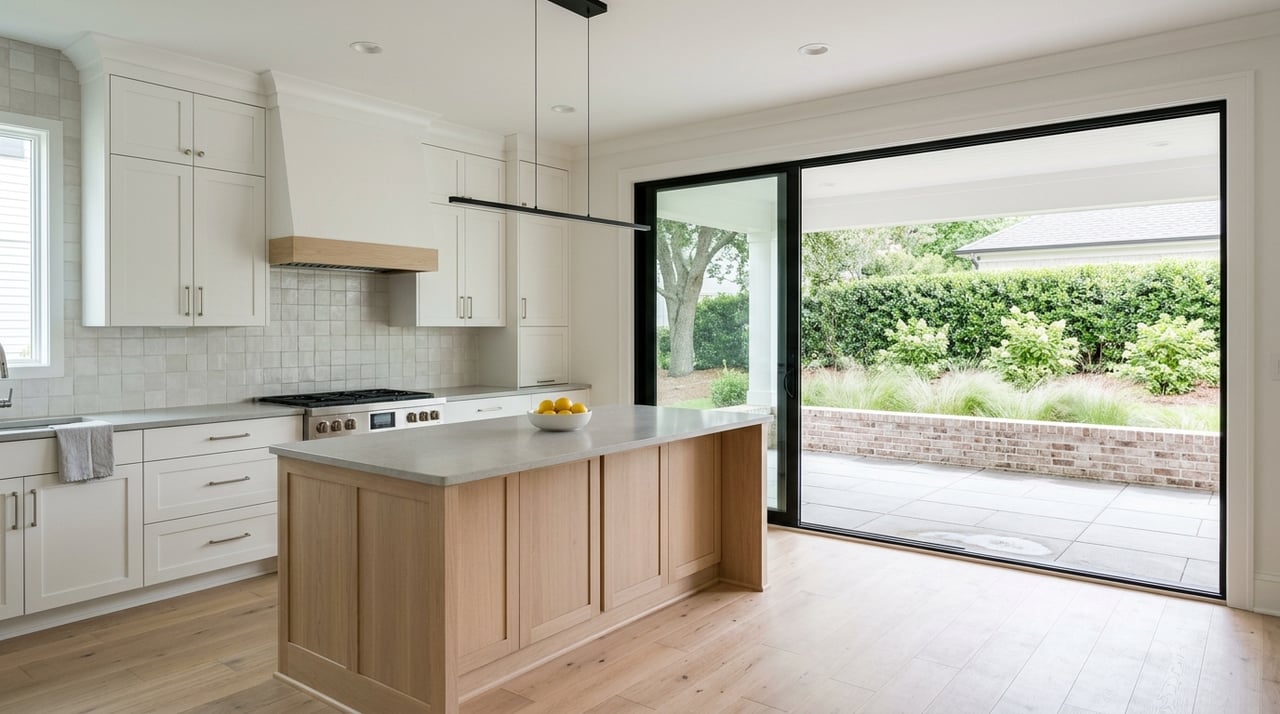
- Maximize interior light. Open blinds, switch on warm-toned lights, and remove clutter that dulls photos.
- Add virtual tours and floor plans. These help relocation buyers and out-of-area shoppers accelerate decisions.
Curb and exterior
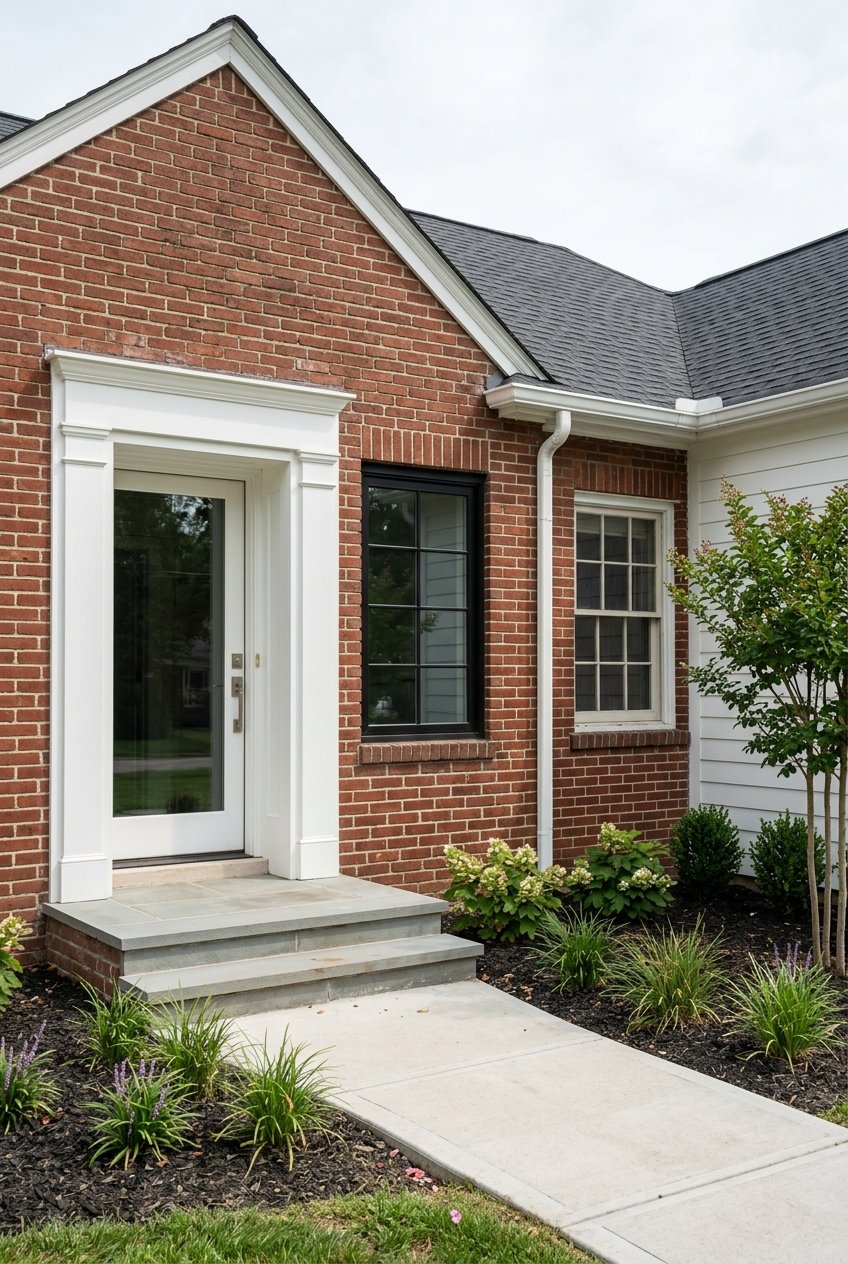
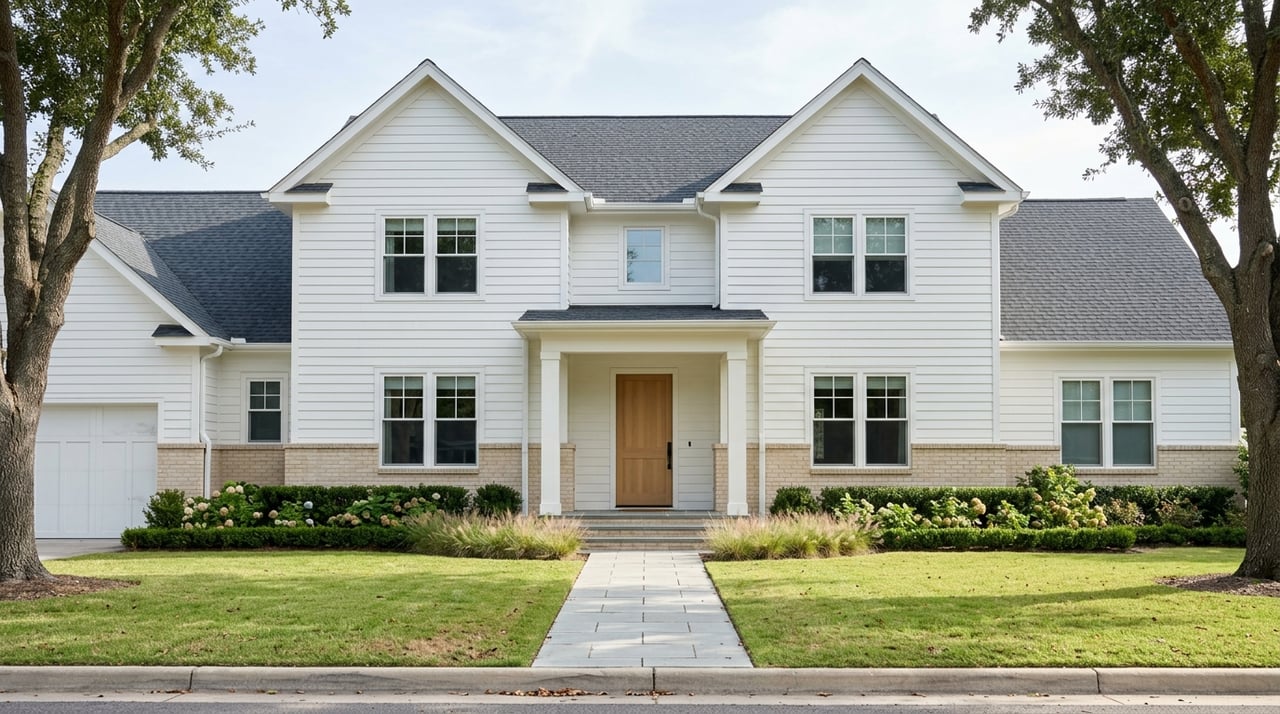
- Clean gutters, clear leaves, pressure wash walkways, and keep entries tidy.
- Add simple, neutral touches like evergreen planters, tasteful lighting, and a fresh entry mat. Avoid heavy holiday decor that distracts.
- If your area is flood-prone, have mitigation documentation ready, such as elevation certificates or drainage improvements.
Interior comfort and efficiency
- Set a comfortable temperature during showings. Add soft throws and rugs for a warm feel.
- Keep windows clean and address condensation. Use dehumidifiers if needed.
- Highlight winter-readiness: newer HVAC, insulation, roof updates, and any energy-efficient improvements.
Showings after dark
- Expect evening tours. Ensure walkways are safe and well lit, and add motion or path lights for an inviting approach.
- Provide shoe trays and mats at the entrance to keep floors clean and dry.
Marketing to relocation buyers
- Emphasize proximity to major employers, transit, and daily services.
- Promote video walkthroughs and 3D tours for remote decision-making.
- Call out winter-friendly features in your listing remarks, like a heated sunroom or efficient systems.
Timeline options you can follow
If listing in the next 0 to 8 weeks
- Weeks 1 to 2: Request a current CMA, order pre-list inspections, and collect flood-zone documentation if applicable.
- Weeks 2 to 4: Complete critical repairs, deep clean, declutter, stage, and schedule daytime photography.
- Weeks 4 to 8: Launch with strong visuals, virtual tour, and targeted relocation outreach. Monitor traffic closely and be ready to refine price after 10 to 14 days if needed.
If waiting for spring
- Upgrade with intention: focus on high-impact refreshes in kitchens and baths, and plan landscape improvements for a strong spring debut.
- Pull permits early for any planned projects.
- Track inventory and pricing monthly and aim to list 4 to 6 weeks before the spring peak to catch early-bird buyers.
What we do for Norfolk sellers
You deserve a clear plan, not guesswork. With a Navy and systems-engineering background, the RealTrue Home Team blends disciplined process, premium marketing, and tech-enabled service for Hampton Roads sellers. That includes curated staging guidance, polished photography and video, virtual and FaceTime tours for out-of-market buyers, precise pricing strategy, and a team structure that manages details without losing the personal touch.
We understand relocation timelines and the needs of military and corporate movers who buy year-round in Norfolk. Our process is built to make your listing stand out in winter: data-driven pricing, relocation-focused marketing, and proactive communication from first consult to closing. With 160-plus closed transactions and about $67M in career volume, our approach is proven and practical.
The bottom line
Listing in winter can be a smart move in Norfolk, especially if you need to sell soon, your home shows well, and local supply in your segment is tight. The gains come from lower competition and motivated buyers. The tradeoffs are lower foot traffic and the need for precise pricing. If you prepare well and market to the right buyer pool, you can still achieve a strong result.
Ready to decide with confidence or want a quick read on your segment? Connect with Jean Johnson for a tailored winter listing plan.
FAQs
Will I get fewer offers if I list in winter?
- Possibly, since buyer traffic is lower, but the offers you receive are often from motivated buyers and can still be competitive with the right pricing and marketing.
Do winter listings in Norfolk sell for less?
- Not necessarily, especially if supply is constrained or your home is move-in ready and marketed to relocation buyers; overpricing is the main reason winter sellers net less.
Does winter lengthen time on market?
- It can, but speed depends most on pricing, presentation, and marketing; well-priced, well-presented homes can sell quickly even in winter.
Are pre-list inspections worth it in winter?
- Yes, they reduce contingencies, increase buyer confidence, and can streamline negotiations for timeline-sensitive winter buyers.