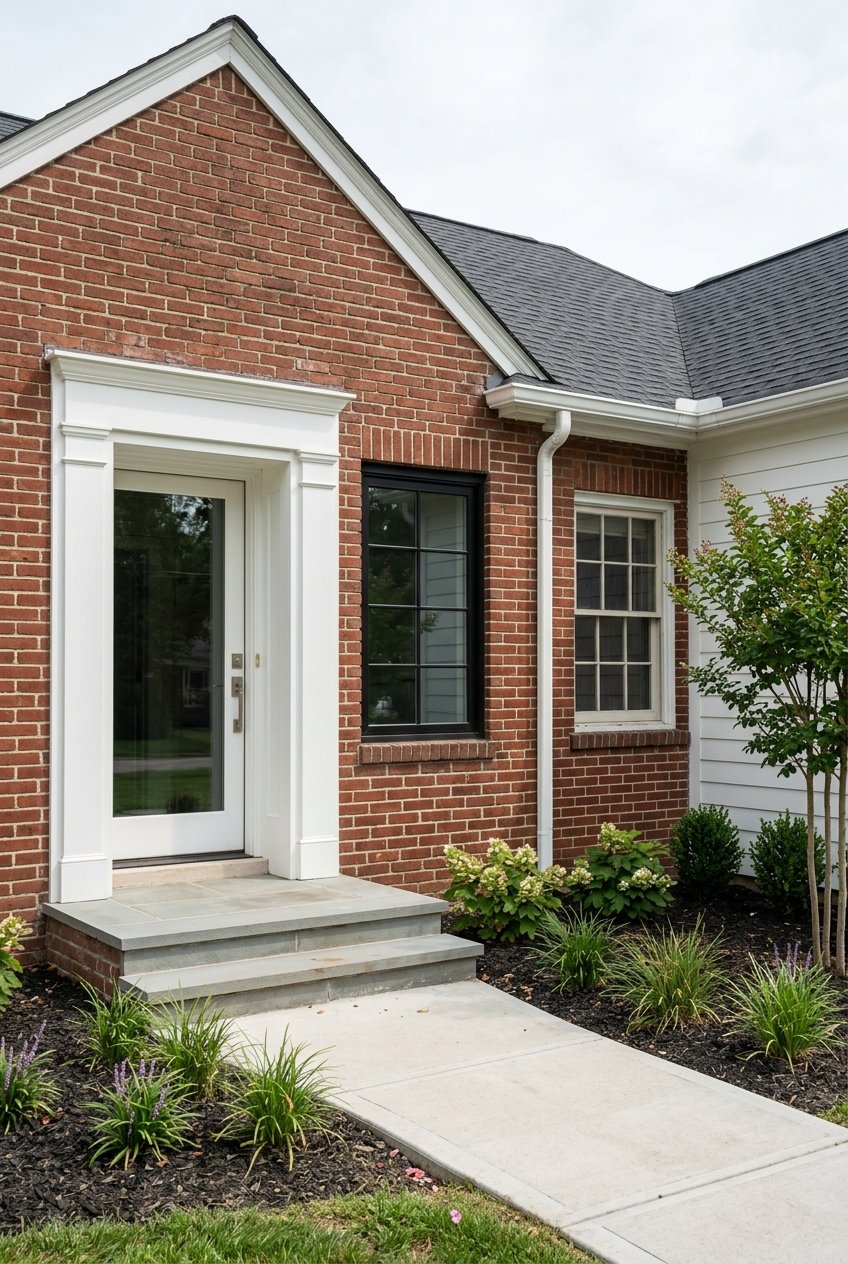
Norfolk Single-Family Homes: Historic Charm Vs Newer Builds
July 9, 2026
July 9, 2026
Are you drawn to a Norfolk home with original character, or would you rather have a newer place with modern systems and a more predictable upkeep list? In Norfolk, that choice matters more than it does in many other Hampton Roads markets because the city has a much older housing stock than the region and the state overall. If you are weighing historic charm against newer construction, this guide will help you compare maintenance, lifestyle, costs, and Norfolk-specific factors so you can make a confident move. Let’s dive in.
Norfolk is a natural place to compare older homes and newer builds because a large share of its housing was built long ago. According to the city’s 2026 fair-housing analysis, about 45% of Norfolk homes were built in 1959 or earlier. That creates a market where home age, style, and upkeep can vary a lot from one block to the next.
Norfolk also has more than 100 neighborhoods, which adds even more variety. You can find historic homes in well-known areas with long architectural history, and you can also find newer infill and planned community options in other parts of the city. For buyers, that means the right fit often comes down to how you want to live, not just what year was built.
Current listing data supports how balanced this comparison can be. Realtor.com search data cited in the research report shows 488 single-family homes for sale in Norfolk, with a median listing price of $340,000 and 33 median days on market. The same source shows 41 new-construction homes with a median listing price of $339,900, which means older and newer options can compete surprisingly closely on price at a high level.
Older Norfolk homes often win buyers over with details that are hard to recreate. Think front porches, fireplaces, bay windows, and architecture shaped by a very different era of design. In many cases, the setting is part of the appeal too.
The city identifies local historic districts such as East Freemason, Ghent, and West Freemason, each with distinct architectural history. East Freemason includes buildings dating to the late 1700s and mid-1800s. Ghent developed around the turn of the twentieth century, while West Freemason includes architecture spanning roughly 1790 to today.
A recent example from the research report shows what this can look like in real life. A 1906 Victorian on Boissevain Avenue in Ghent sold for $599,900 in July 2025, with features including a front porch, bay windows, fireplaces, and updated heating and cooling. That mix of original character and modern comfort is a big reason older Norfolk homes continue to attract attention.
For many buyers, an older home is not just about the house itself. It is also about being in an established part of Norfolk with a recognizable streetscape, mature surroundings, and close access to everyday destinations. Some historic listings also highlight proximity to transit, medical centers, and local dining corridors.
That kind of location appeal can be a major value driver over time. In Norfolk, neighborhood identity can matter just as much as square footage or finish level. If you care about character inside and outside the front door, older homes often stand out.
It is easy to assume an older home will feel inefficient or behind the times, but that is not always true. Renovated historic homes may have updated systems that improve comfort and function, such as heat pumps and central cooling. The Ghent example in the research report shows exactly that.
That said, updates vary by property. One historic home may be carefully improved, while another may still need major work. The key is to look at the actual condition of the roof, exterior, and major systems instead of judging only by the year built.
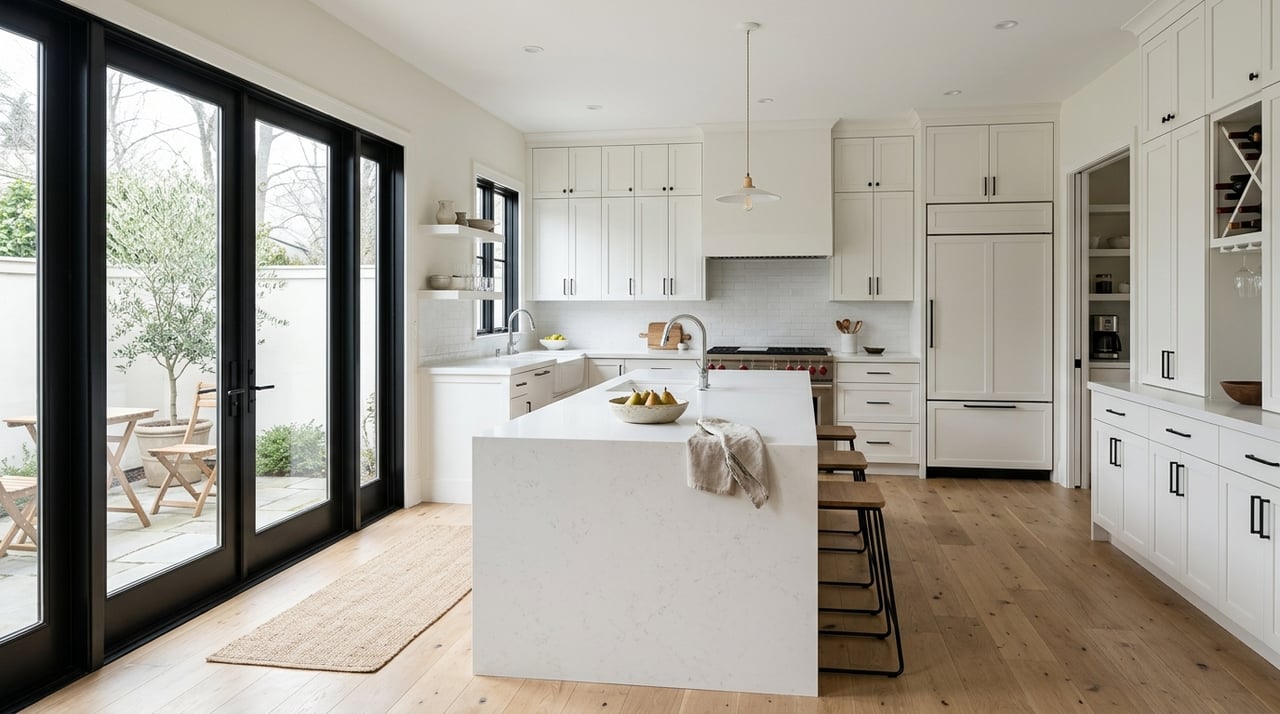
Newer homes in Norfolk usually appeal to buyers who want a more turnkey experience. You are more likely to see contemporary layouts, newer mechanical systems, and fewer immediate repair concerns tied to age. For busy households, relocators, and buyers trying to reduce surprises in the first few years, that can be a real advantage.
The research report notes current new-construction listings in areas including 23503, 23504, 23508, and 23518. Examples include a 2026 home on Reservoir Avenue in Bruce’s Park listed at $342,000 with no HOA, a to-be-built East Beach home with a $247 monthly HOA, and a 2021 home on Phillip Avenue that includes a garage and heat pump.
These examples show that newer homes in Norfolk do not all look or feel the same. Some are compact infill homes in an urban grid, while others are part of more planned community environments. Your experience will depend a lot on the specific location and setup.
One of the biggest reasons buyers choose newer construction is peace of mind. In general, newer homes are less likely to come with decades of deferred maintenance. That can make your first three to five years of ownership feel more predictable.
This does not mean a newer home is maintenance-free. You may still have HOA dues, and every home needs ongoing care. But if you want to focus less on immediate repair planning and more on settling in, a newer build may fit your goals better.
Newer Norfolk homes can also come with very different lifestyle setups. Bruce’s Park reads more like urban infill, where a newer house sits within an existing neighborhood grid. East Beach is presented in the research report as a planned waterfront community with retail, dining, a clubhouse, and a pool.
That distinction matters. Some buyers want a home that feels tucked into an established part of the city, while others want the convenience and shared amenities that may come with a more planned environment. Neither is better for everyone. It just depends on how you want your day-to-day life to work.
If you are deciding between historic charm and a newer build, maintenance is usually the clearest dividing line. Norfolk says its aging housing stock often needs significant rehabilitation to remain safe, energy-efficient, and resilient to climate impacts. The city specifically points to common code issues such as exterior maintenance and roof damage.
For you, that means an older-home budget should go beyond the purchase price. You may need to plan for updates to the roof, exterior, and major systems, along with routine preservation work. A lower upfront price can still become a higher total cost if deferred maintenance is substantial.
With a newer home, the near-term repair picture is often simpler. You are less likely to inherit old materials or long-postponed upgrades. Even so, you should still ask about builder finish quality, warranty details if applicable, and expected ownership costs such as HOA dues.
In Norfolk, the best decision is rarely just old versus new. A few local issues can shape your costs and your ownership experience far more than the build date.
Norfolk’s coastal setting is one of the most important parts of this decision. The city notes that Norfolk is bordered by multiple bodies of water and has more than 200 miles of riverfront and bayfront property. Flood zones are mapped through FEMA, and the city offers property-level flood-risk data through Forerunner.
The insurance piece is critical. Norfolk states that standard homeowners insurance does not cover flooding, and lenders usually require flood insurance in higher-risk AE, AH, AO, and VE zones. Whether you buy a 1906 Victorian or a 2026 new build, flood exposure can affect your monthly costs and long-term risk.
If you love an older home in one of Norfolk’s local historic districts, make sure you understand the review process before planning exterior changes. The city requires Architectural Review Board review and Certificates of Appropriateness for exterior alterations in local historic districts. That can affect timelines, design choices, and renovation planning.
This does not mean you should avoid historic homes. It simply means the process may require more coordination than it would for a newer home outside those districts. If preserving historic character appeals to you, that extra step may feel worthwhile.
Norfolk also offers some homeowner assistance programs that may matter depending on your situation and the property location. The city lists Renovate Norfolk and Strengthening Neighborhoods as programs that help eligible homeowners with interior and or exterior improvements. Strengthening Neighborhoods also includes down-payment assistance in Ingleside and Oakdale Farms/Monticello Village.
If you are exploring an older home that may need work, these local programs are worth knowing about. Eligibility and scope will vary, so the first step is identifying whether the property and your plans align with program guidelines.
In Norfolk, resale is not determined by age alone. The research report compares a 1906 Ghent Victorian that sold for $599,900, a 1948 Cape Cod that sold for $267,500, and a 2026 Bruce’s Park home listed at $342,000. Those examples show how much condition, location, and property type can shape value.
A well-kept historic home can attract strong interest when buyers want character and a recognizable neighborhood setting. A newer home can also command attention when it offers convenience, lower maintenance, or a planned waterfront lifestyle. In both cases, long-term value tends to track neighborhood identity, flood exposure, condition, and the quality of updates.
If you are still torn, a simple decision framework can help.
Historic homes can be especially rewarding if you are comfortable budgeting for maintenance and possible exterior review requirements in local historic districts.
Newer homes can be a strong fit if you want fewer immediate projects and a more straightforward move, especially if you are relocating on a timeline.
No matter which direction you lean, these are some of the highest-value questions to ask in Norfolk:
These questions can help you compare homes more clearly and avoid being distracted by surface-level appeal alone.
If you are weighing a charming Norfolk classic against a newer build, the right answer comes down to your lifestyle, your maintenance comfort level, and the true cost of ownership. A disciplined side-by-side review can make the choice much clearer, and that is exactly where expert guidance helps. When you are ready to compare options with a local, process-driven strategy, connect with Jean Johnson.
Stay up to date on the latest real estate trends.
Jean prides herself on professionalism, attention to detail, customer service and enthusiasm. These principles have earned her high praise from clients and enabled her to build her business through many referrals from satisfied clients.