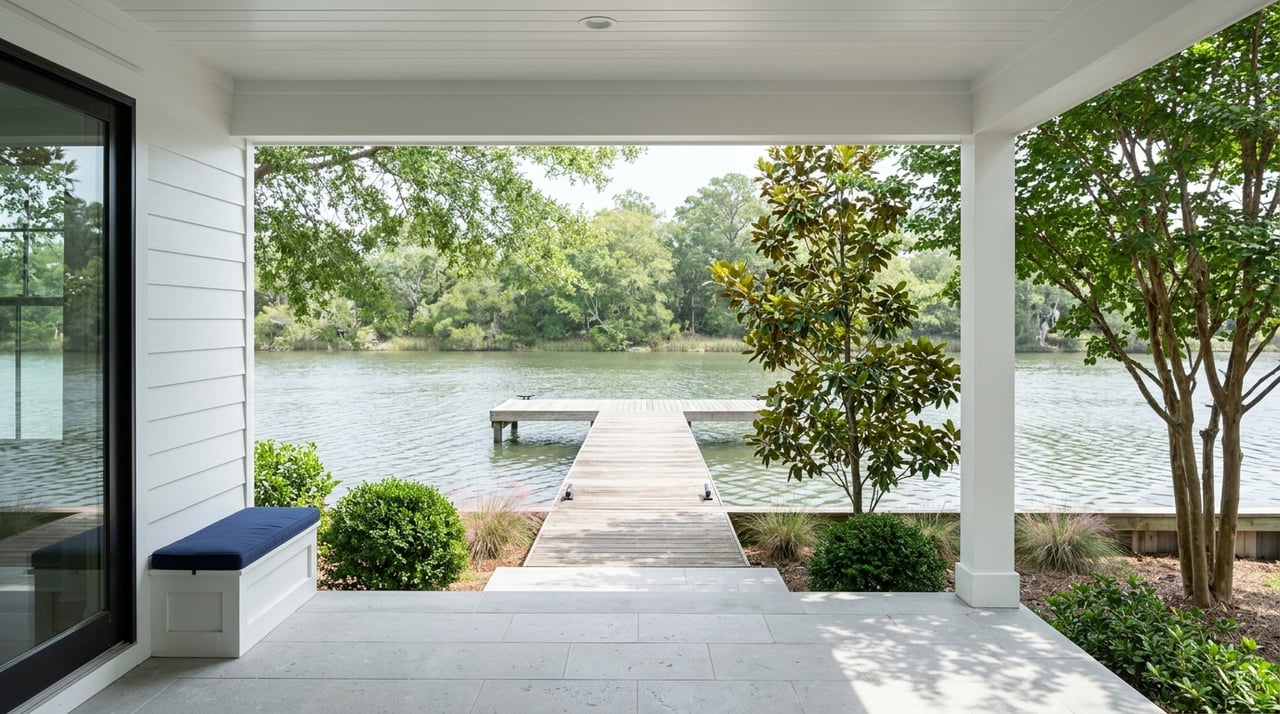
Life On The Elizabeth River: Norfolk Waterfront Living
July 2, 2026
July 2, 2026
If you picture waterfront living as equal parts view and convenience, the Elizabeth River in Norfolk deserves a closer look. This part of the city blends shoreline scenery with downtown energy, historic character, and everyday access to parks, trails, dining, and events. If you are thinking about buying or selling along the river, understanding how the lifestyle really works can help you make a smarter move. Let’s dive in.
Life on the Elizabeth River feels different from a quiet inland neighborhood. Norfolk describes itself as a city shaped by water, with more than 200 miles of riverfront and bayfront property, and that waterfront identity shows up in daily routines, not just postcard views.
Along the river, you are not living next to a purely residential shoreline. The Elizabeth River is also a major military and commercial port waterway, which means the setting combines scenic views with a working harbor, active downtown spaces, and maritime infrastructure. For many buyers, that mix is part of the appeal.
This is best described as an urban waterfront lifestyle. You can enjoy water views, walkable amenities, public events, and local recreation while staying close to the core of Norfolk. That creates a living experience that feels connected, active, and distinctly local.
One of the biggest draws of riverfront living in Norfolk is how much there is to do close to the water. The Elizabeth River Trail stretches 10.5 miles along the shoreline and links together places like Town Point Park, the USS Wisconsin, Fort Norfolk, Plum Point Park, and nearby historic areas.
That means your day can start with a walk or bike ride by the river and end with dinner or an event downtown. The trail helps connect waterfront living to everyday convenience, which is a major reason this area stands out for buyers who want more than just a view.
Waterside District adds another layer to the experience. The city describes it as a riverfront dining and entertainment district connected to the trail, Harbor Park, Historic Fort Norfolk, the marina, and Nauticus, where sailing and kayaks are part of the mix.
Public spaces also play a big role. Town Point Park is one of Norfolk’s best-known waterfront gathering spots, and Harbor Park sits on the Elizabeth River and hosts Norfolk Tides games and other events throughout the year. If you like having activities nearby without planning a long drive, that matters.
For buyers who want a lower-car lifestyle, Downtown Norfolk offers a strong starting point. Redfin currently rates Downtown Norfolk at 84 out of 100 for walkability and 60 out of 100 for transit, which supports the idea of a more amenity-rich waterfront core.
The Elizabeth River ferry system also adds to the local rhythm. HRT operates three 150-passenger ferries between Norfolk and Portsmouth, including service at Waterside in Norfolk. For some residents, that is part transportation and part lifestyle perk.
Taken together, the trail, ferry, parks, and downtown layout make the river feel usable in everyday life. You are not just near the water. You are often moving through it, around it, and planning your week with it in mind.
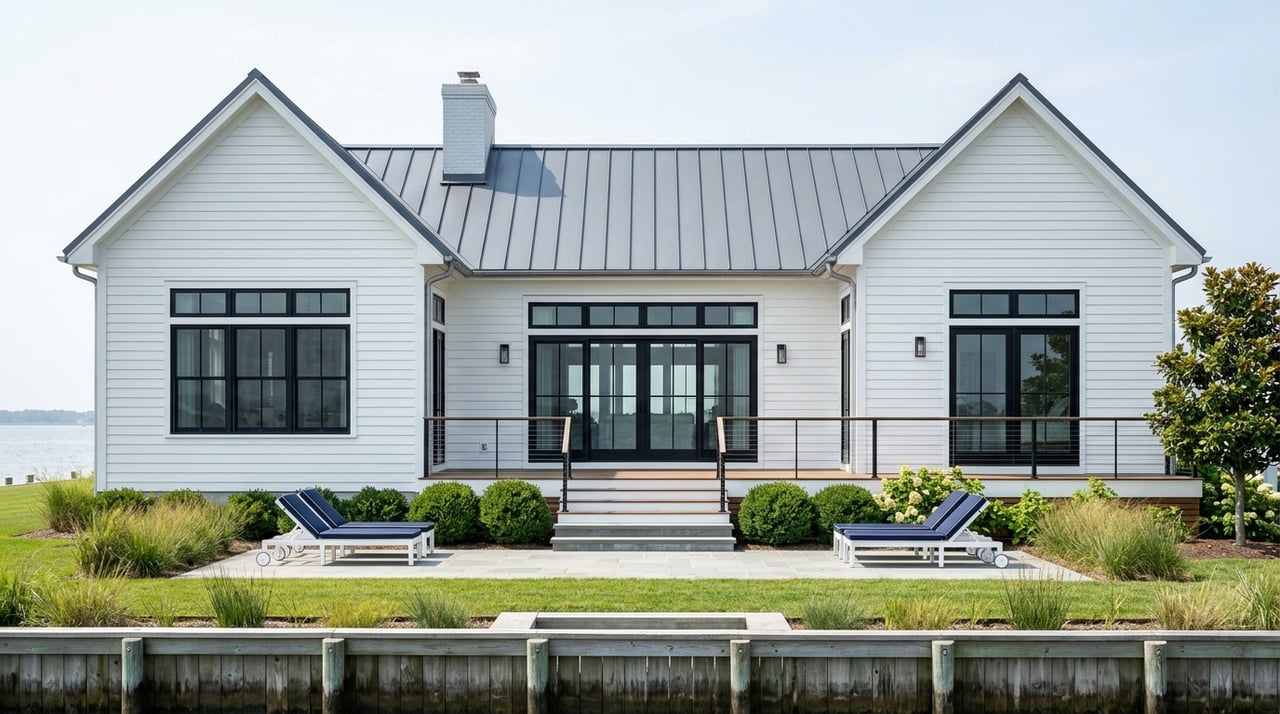
Waterfront living on the Elizabeth River is not one single housing type or one single neighborhood feel. That is important if you are starting your search and trying to picture what “waterfront in Norfolk” really means.
Downtown Norfolk is compact, and nearby areas can feel connected even when the housing styles shift. In the Freemason Historic District, for example, the housing mix includes converted turn-of-the-century warehouses with loft-style homes, historic residences, and contemporary condos and apartments.
The city describes Freemason as the oldest standing neighborhood in Norfolk. West Freemason, which is bordered by the Elizabeth River, includes historic buildings from the 18th through 20th centuries. If you are drawn to architecture and established surroundings, that may shape your search.
On the south side of the river, Berkley brings a different perspective. City history pages identify Berkley as one of the oldest communities in Virginia, with older housing stock and substantial historic homes tied to the area’s long river-linked history.
For buyers, the takeaway is simple: Elizabeth River housing is a mix. Depending on where you look, you may find condos, lofts, townhomes, and older single-family homes rather than one uniform waterfront product.
The riverfront market in Norfolk is better understood as a range than a single price point. Recent market snapshots show a broad spread across the city and the downtown waterfront area.
Redfin reports Norfolk’s median sale price at $324,000 over the last three months ending April 2026. Downtown Norfolk’s median sale price was about $262,000 over the last three months ending May 2026, while Norfolk waterfront inventory showed a median list price of $340,000 with 97 active waterfront listings.
That spread becomes even clearer when you look at recent Downtown Norfolk sales. Those included condos in roughly the $220,000 to $260,000 range, along with a larger four-bedroom home that sold for $751,600.
So what drives price along the Elizabeth River? In general, view quality, dock access, building type, square footage, and whether a home sits within a historic district can all shape value. If you are buying, it helps to compare homes by lifestyle fit as much as by list price.
For sellers, the Elizabeth River story is not just about square footage. It is about lifestyle, access, setting, and the kind of buyer your property is most likely to attract.
A river-adjacent condo near downtown may appeal to buyers who want convenience, trail access, and a lower-maintenance setup. An older single-family home in an established river area may attract buyers looking for architectural character, more space, or a different kind of waterfront experience.
That is why pricing and presentation matter. Homes along the river do not always compete against identical inventory, so a thoughtful marketing strategy should highlight what makes the property distinct within the broader Norfolk waterfront market.
Part of what makes Elizabeth River living so attractive is that recreation is built into the setting. The city notes that daily life along the waterfront can include trail walks, bike rides, park visits, game nights at Harbor Park, events at Waterside, and ferry trips across the river.
Plum Point Park adds another useful feature for residents who want direct water access. The city says the park includes an ADA-accessible kayak launch and pier, making paddling part of the local recreation mix.
Seasonal events also reinforce the riverfront atmosphere. In 2025, Norfolk described Winterfest Riverwalk as a free waterfront experience running from the Pagoda & Oriental Gardens around Battleship Wisconsin and through Town Point Park.
That kind of programming gives the waterfront a year-round feel. Even if you are not on the water every day, the river still shapes how the area looks, feels, and functions throughout the seasons.
Waterfront living comes with real benefits, but it also calls for practical due diligence. Norfolk’s flooding information is especially important for anyone considering a home near the river.
The city states that its low-lying coastal geography makes it susceptible to tidal, precipitation, storm-surge, and wind-driven flooding near waterways. It also provides property-level flood information through its Forerunner tool, which can help buyers look more closely at a specific address.
Historic district rules are another factor to understand before you buy. If a home is located in a locally zoned historic district, exterior alterations and many new construction or demolition proposals require Architectural Review Board approval and a Certificate of Appropriateness.
That does not make historic ownership a downside. It simply means you should go in with a clear picture of what changes may require review, especially if you are planning updates, additions, or exterior improvements.
If you want a waterfront lifestyle that feels active, connected, and close to downtown Norfolk, the Elizabeth River offers a compelling option. It combines views and recreation with restaurants, events, ferry access, trails, and a broad mix of housing types.
It is also a market where details matter. The right fit depends on how you weigh walkability, housing style, historic character, price range, and practical issues like flood exposure or renovation plans.
Whether you are searching for the right waterfront home or preparing to sell one, a local strategy can help you make sense of the choices and position your move with confidence. If you are planning a Norfolk waterfront move, Jean Johnson can help you navigate the process with clear guidance and a disciplined local approach.
Stay up to date on the latest real estate trends.



Jean prides herself on professionalism, attention to detail, customer service and enthusiasm. These principles have earned her high praise from clients and enabled her to build her business through many referrals from satisfied clients.